
Empower Every Classroom with Intelligent Music Protocols
Genote empowers individuals to thrive in their own unique ways, on their own terms.
Educational Framework
Support educational goals with structured music.
Genote provides structured, data-informed music protocols that support IEP and SEL objectives, fostering a positive learning environment without requiring formal adjustments to IEP documentation.
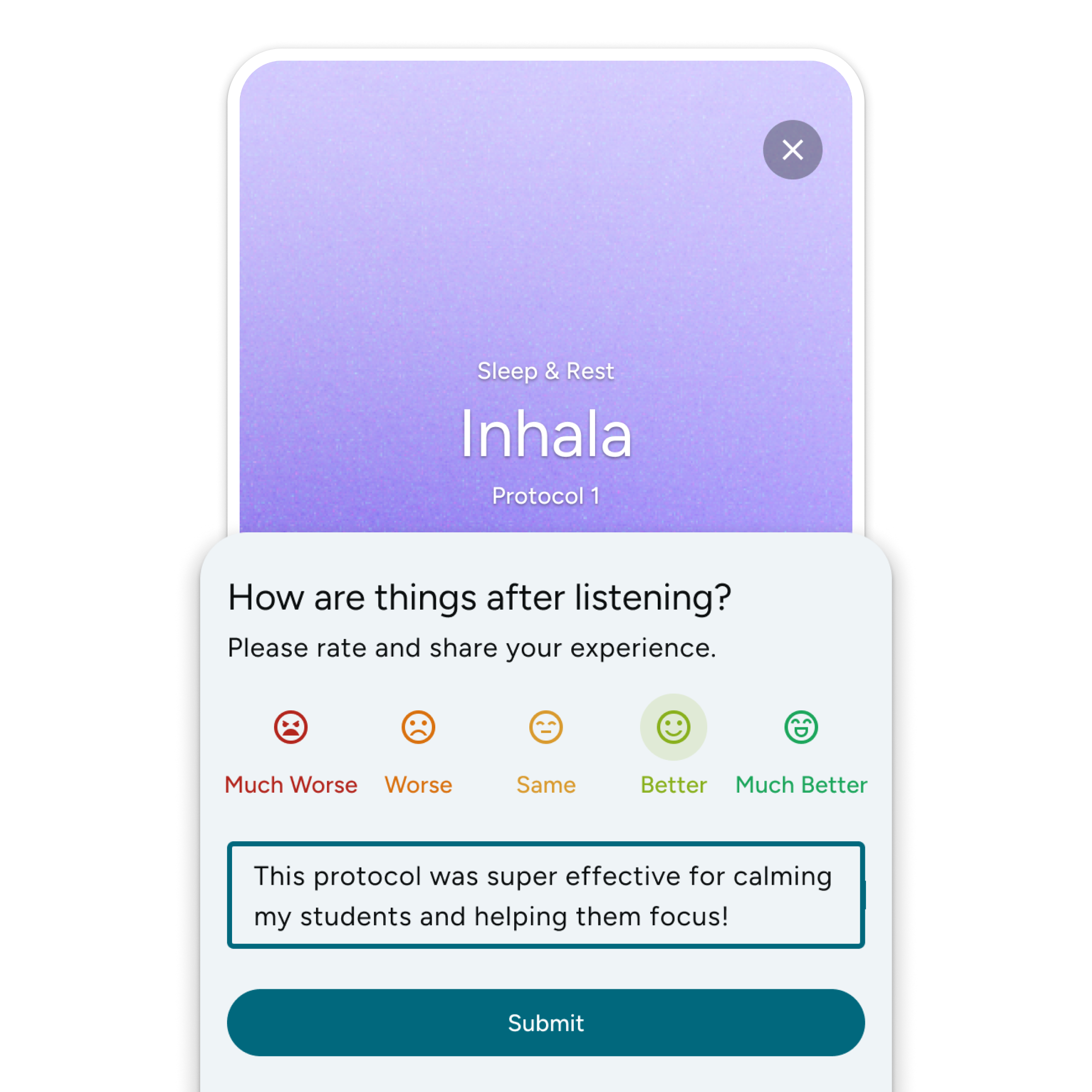
Classroom Foundation
Build Effective Classroom Routines with Genote.
Genote is designed to help teachers build effective routines. With music experiences that guide transitions, support focus periods, and ease stress, Genote empowers teachers to manage classrooms smoothly and reduce disruptions.
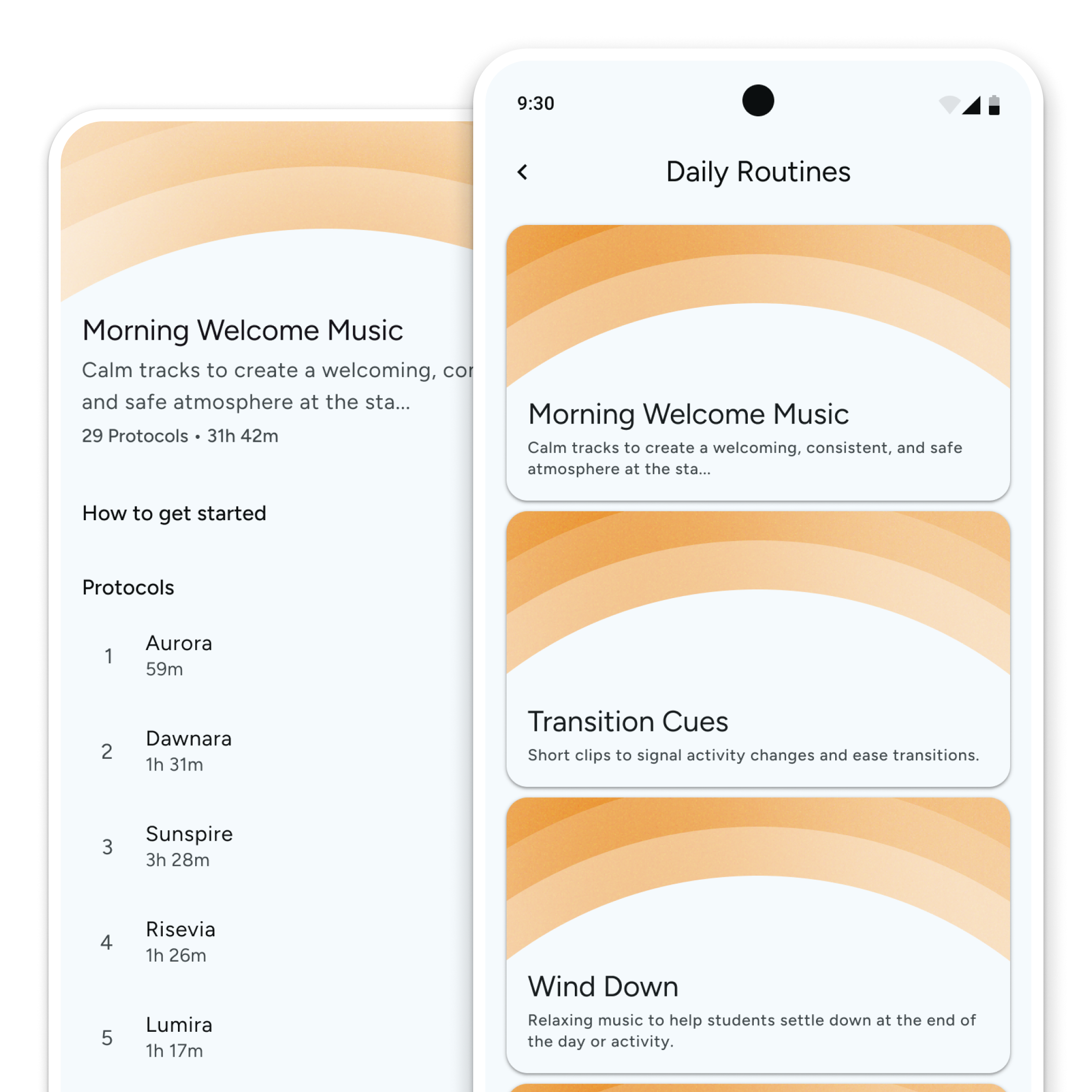
Measured Progress
Gain Data-Driven Insights for Schools and Districts
With intelligent recommendations and an evolving library, Genote individualizes listening experiences to enhance efficacy over time. Genote’s data-driven insights help schools monitor platform engagement and track the efficacy of music protocols.
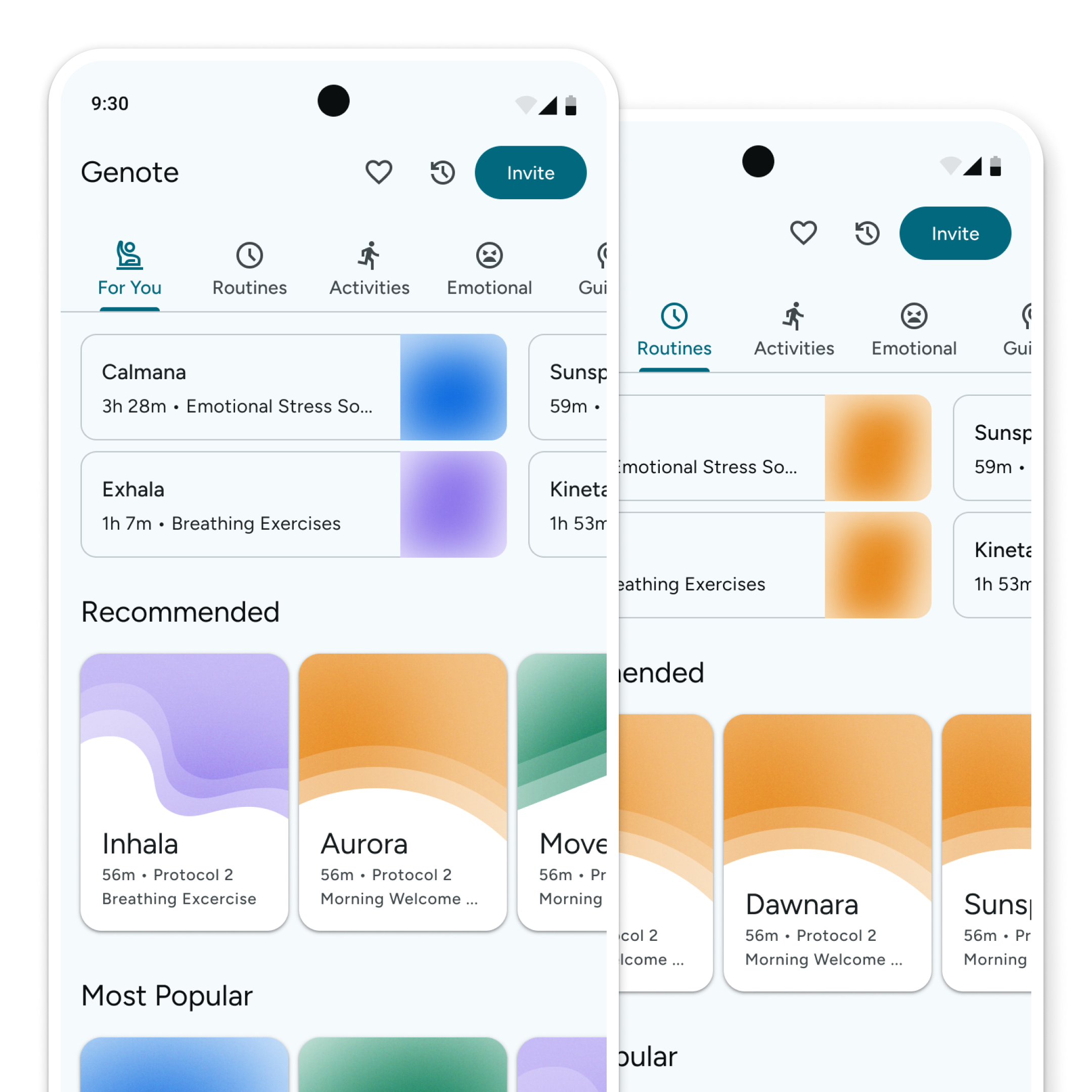
Holistic Learning
Foster holistic support with family involvement.
Foster a consistent experience between school and home with tailored music protocols that reinforce classroom learning. By engaging families, Genote creates a holistic approach to support each student’s well-being and development.
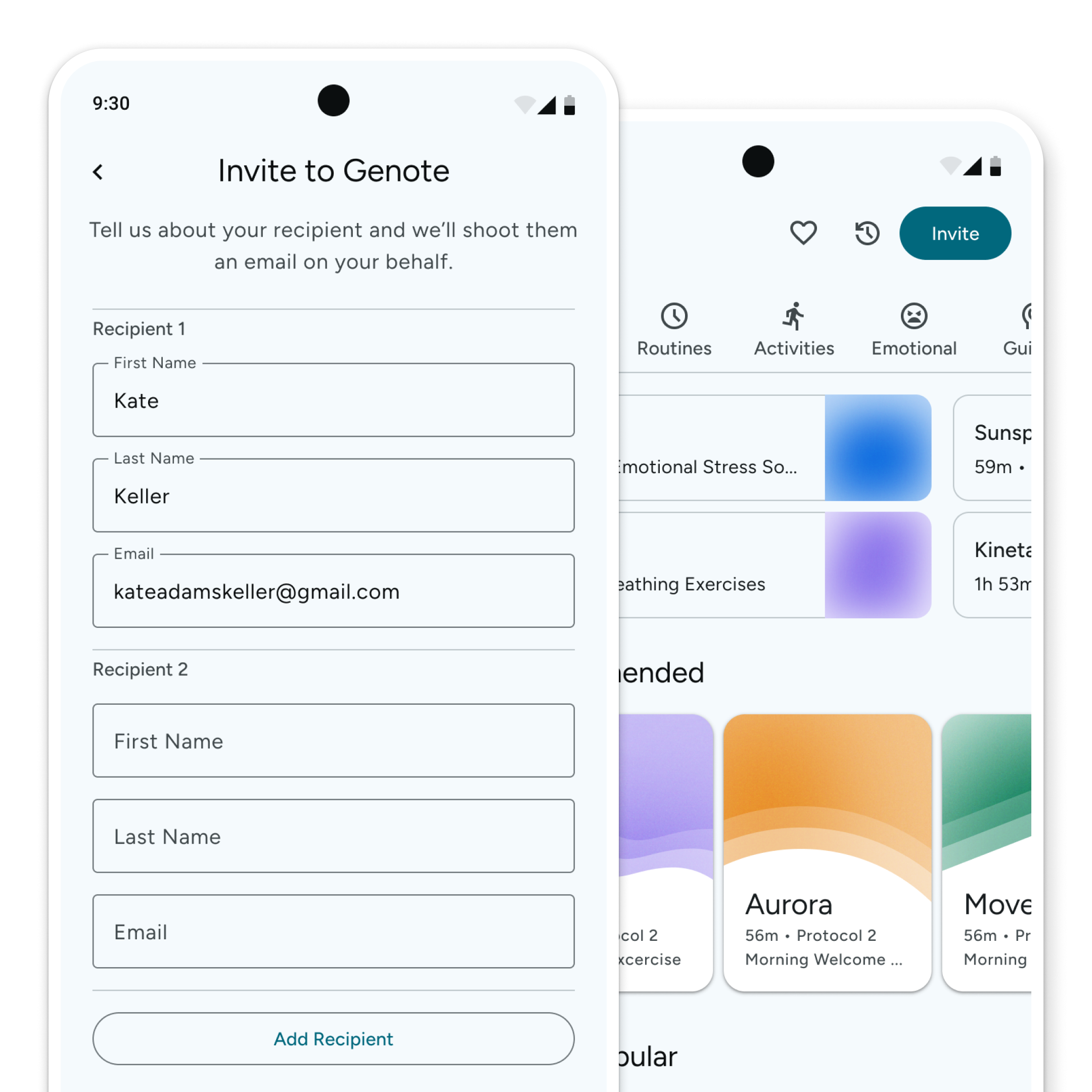
Discover a sample track from our music library
Leading Schools and Programs Transform Learning with Genote.


Discover All You Can Achieve with Genote.
The Numbers Behind Genote’s Impactful, Personalized Learning Experience.
5.4M
Minutes listened, supporting focus and calm across classrooms and homes.
75%
Of sessions demonstrated a positive response.
defined as an improvement in post-session scores compared to pre-session scores, or consistently high scores (3-5), reflecting strong efficacy and alignment with desired outcomes.
Hours
Of music protocols, customized to meet diverse needs.
Your Genote journey begins here.
-
![]()
Why Music Matters in Emotional Development for Your Students
-
![]()
The Power of Repetition and Controlled Environments in Special Education
-
![]()
Are Classroom Transitions Stressful for You and Your Students?
-
![]()
Organizing Information Through Music: A Key to Better Learning for Students with Special Needs
-
![]()
Music’s Impact on the Brain: A Tool for Emotional and Cognitive Growth in Special Education
-
![]()
The Importance of Early Auditory Experiences in Premature Infants - A Mom Testimony
-
![]()
Discover the powerful balancing effects of music on learning and well-being.



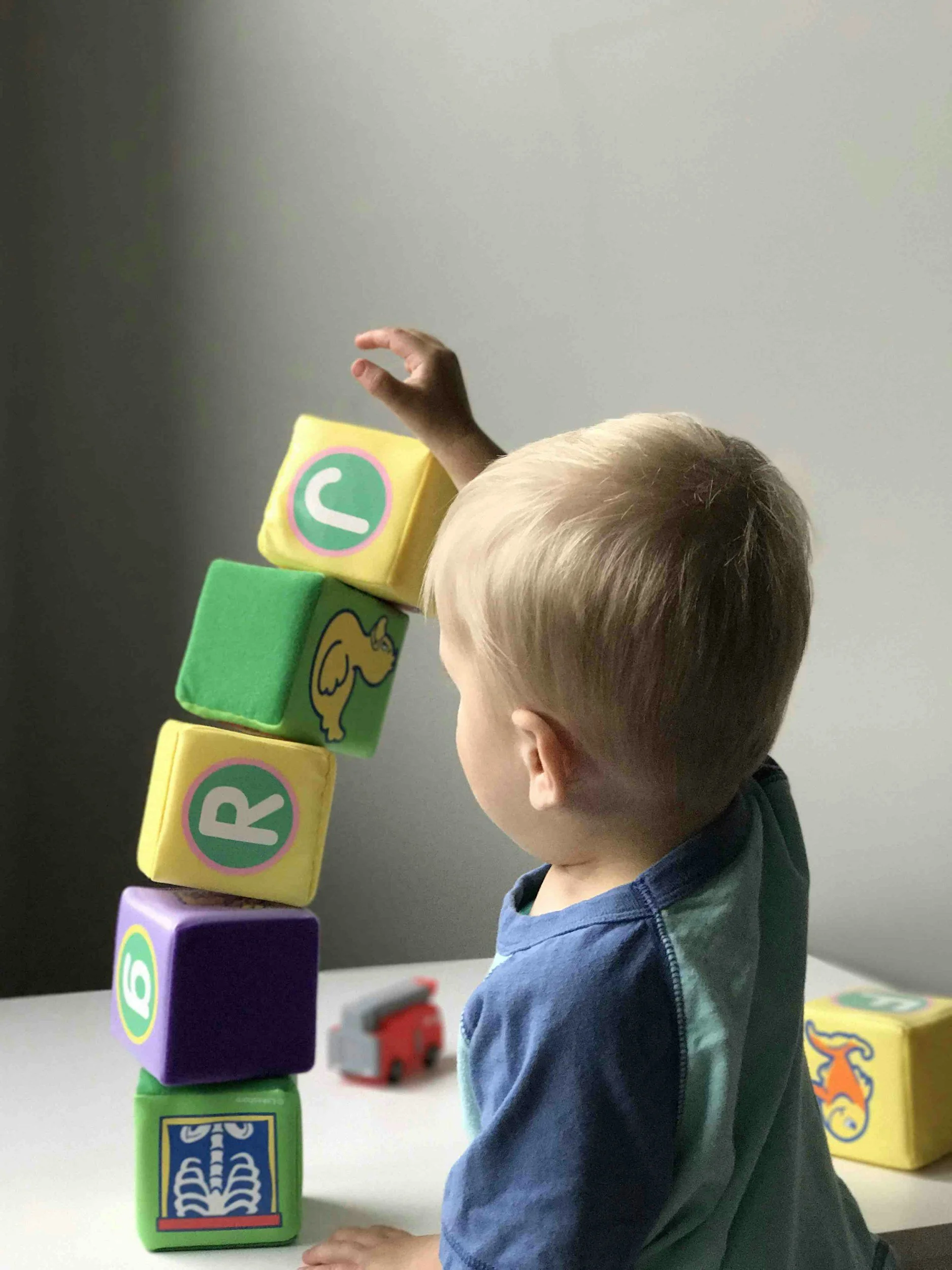


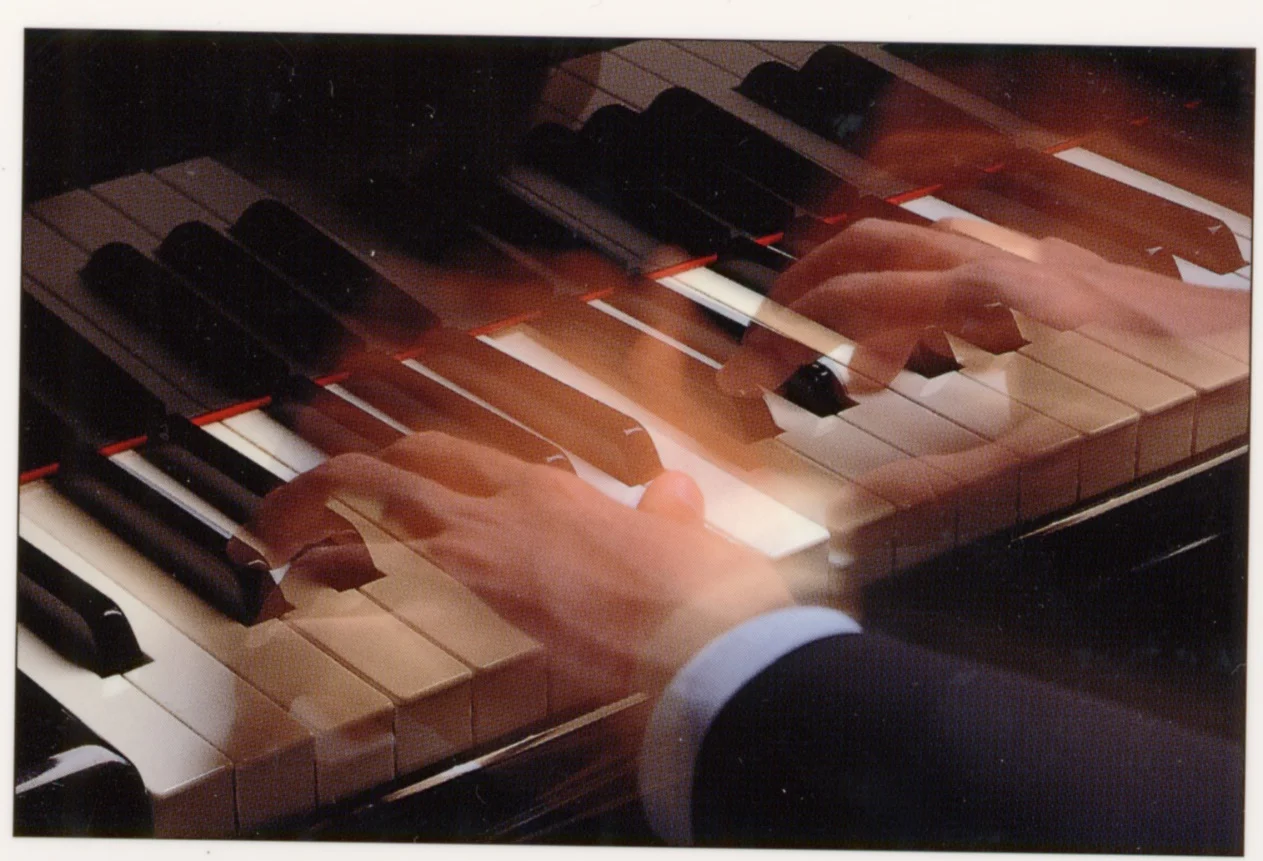
Explore the Genote Music Library.
Purposeful Music Protocols Designed to enrich every aspect of the special education experience, supporting emotional, cognitive, and behavioral development throughout the day.
Music to create calm, structure, and flow throughout the day. From morning welcomes to end-of-day wind-downs, these protocols help foster a peaceful environment both in the classroom and at home.
Soothing music to support emotional regulation. This category provides tracks for stress relief, pain comfort, and emotional recovery, helping students maintain balance during challenging moments.
Music designed for active engagement. With tracks for movement, creativity, and focused tasks, these protocols support sensory integration and keep students engaged during interactive learning moments.
Voice-guided tracks combined with calming music for activities like mindfulness, relaxation, and breathing exercises. These protocols assist students in managing transitions, recovering from stress, and preparing for focus-demanding tasks.
Empowering Students to Thrive Their Way
Frequently Asked Questions
-
Genote is a platform that uses structured music protocols to support focus, emotional regulation, and routine-building in special education environments, creating a calm and supportive atmosphere for students and educators.
-
Genote provides tailored music experiences designed to enhance classroom management, support Individualized Education Program (IEP) and Social-Emotional Learning (SEL) objectives, and improve student engagement and well-being.
-
Genote provides a structured, supportive framework, much like educational scaffolding, to guide students through learning and emotional regulation. Scaffolding in education is a method where support is gradually adjusted based on the student's growing abilities. Just as scaffolding in construction provides a temporary framework for building something complex, Genote’s music protocols offer structured support, helping students gradually build independence in areas such as focus, emotional regulation, and daily transitions.
-
Genote's music protocols serve as an adaptable scaffold by structuring various classroom activities. Here’s how it works:
Guiding Transitions: Genote’s Transition Cues are short audio signals that help students anticipate and smoothly shift from one activity to another. For example, when moving from playtime to a focused task, the transition cue prepares students mentally, reducing resistance and stress during the shift.
Supporting Emotional Regulation: Emotional and Behavioral Support tracks provide calming background music to help students self-regulate during stressful moments. For instance, if a student feels overwhelmed, they can listen to a soothing track, which acts as a scaffold to help them manage their emotions and gradually gain better control independently.
Enhancing Focus Periods: Genote's Task & Cognitive Focus tracks offer a steady, calming background that supports concentration during activities requiring attention. This works as scaffolding by establishing a routine auditory environment that students learn to associate with focused work time, making it easier for them to engage over time.
Example of Using Genote as a Scaffold in Class:
Imagine a classroom where students struggle with both transitions and focusing on tasks. A teacher might start by using Genote’s Morning Welcome Music to set a calming tone at the beginning of the day, which helps students settle in. During class transitions, the teacher plays Transition Cues that signal students to prepare for the next activity. These cues serve as a scaffold by providing consistent, predictable signals that reduce anxiety and ease students into the new task. Over time, as students become familiar with the routine, they learn to anticipate transitions without as much support.Example in a Home Setting:
For parents, Genote’s Wind Down and Sleep and Rest tracks can be part of a bedtime routine. If a child has difficulty winding down at the end of the day, parents can play soothing music as a scaffold, creating a consistent auditory cue for relaxation. Eventually, the child associates this music with bedtime, learning to calm down and prepare for sleep more independently.Research Supporting Music as Scaffolding for Learning and Emotional Regulation
Studies show that music can significantly aid emotional regulation and focus. According to Hallam (2010), music can influence mood, reduce anxiety, and improve concentration, all of which are essential in building a structured learning environment. Additionally, research by Vygotsky (1978) suggests that structured support (like music protocols) can enhance cognitive and emotional development by bridging the gap between what students can do independently and what they can achieve with guidance.By providing this scaffolding, Genote helps students progress through their day with more autonomy, eventually needing less support as they become familiar with routines and self-regulation techniques.
-
A Genote Music Protocol is a carefully crafted music sequence designed to support specific educational and therapeutic goals. Each protocol uses structured music elements to help students manage transitions, focus, and emotional regulation in a way that complements special education needs. These protocols are informed by research and feedback, making them suitable for various classroom activities and individualized support.
-
Yes, Genote’s protocols are designed to support students with various learning and behavioral needs, aiding in emotional regulation, sensory integration, and engagement.
-
Genote customizes listening experiences through data insights and feedback loops, adapting music protocols to each user’s unique needs. The platform tailors music selections to align with personal goals like emotional regulation or focus. Over time, Genote's recommendations evolve based on usage patterns, enhancing the effectiveness of each listening experience.
-
Transitions can be challenging in a special education setting due to varying levels of sensory sensitivity, attention spans, and comfort with change. Different moods, energy levels, and the unique needs of each student can create additional complexity during these shifts. To ease transitions, try using visual or auditory cues, such as simple music prompts or a calm countdown. Consistent cues can help students mentally prepare for the next activity.
Suggested Genote Library:Daily RoutinesTransition Cues: Short music clips signal activity changes, helping students mentally prepare for transitions.
Wind Down: Relaxing music at the end of the day or activity to help students settle down. Explore more in the Daily Routines library to create a structured and peaceful environment.
-
A calm, supportive environment is essential for promoting concentration and growth in students with diverse needs. To create this environment, maintain predictable routines, establish clear behavioral expectations, and incorporate soothing elements like gentle lighting or calming music. Having a designated “quiet corner” or “calm zone” can also help students self-regulate when they feel overstimulated.
Suggested Genote Library: Emotional and Behavioral SupportEmotional Stress Soothing: Calming tracks to help manage anxiety and sensory overload.
Recovery and Reassurance: Music to restore emotional balance after challenging moments. Browse the Emotional and Behavioral Support library for music that fosters a supportive classroom atmosphere.
-
Structured routines give students a sense of security and stability, which is particularly beneficial for students with special needs. With routines, students know what to expect and can better prepare for each part of the day. Use visual schedules, consistent timings, and simple auditory cues (like a short music protocol) to mark transitions. These routines provide the foundation for a more focused, less stressful classroom.
Suggested Genote Library: Daily RoutinesMorning Welcome Music: Start the day with calm tracks that create a welcoming atmosphere.
Transition Cues: Consistent audio signals make daily routines smoother. Use Daily Routines music protocols to establish routines that reduce anxiety and improve focus.
-
Many students in special education face challenges with emotional regulation due to various factors, such as sensory processing difficulties, anxiety, or mood disorders. Emotional regulation support can reduce classroom disruptions and enhance learning. Using calming music or breathing exercises can help students manage stress. Providing structured breaks and teaching self-regulation techniques like deep breathing or guided relaxation also supports emotional health.
Suggested Genote Library:Guided Music ProtocolsBreathing Exercises: Music combined with breathing guidance to manage stress and anxiety.
Mindfulness and Meditation: Sessions that enhance focus and reduce anxiety. Discover Guided Music Protocols to provide students with tools for self-regulation and emotional well-being.
-
A special education classroom often includes students with a wide range of abilities and learning needs, making individualized support essential. These diverse needs require adaptable tools and strategies. Incorporate a mix of hands-on activities, visual aids, and auditory support (like music protocols for focus and relaxation) to accommodate different learning styles and abilities, making it easier to engage all students and manage the classroom effectively.
By addressing these challenges with supportive tools like structured routines, sensory-sensitive activities, and personalized support, teachers can create a more inclusive and effective learning environment.
Suggested Genote Library: Interactive ActivitiesMovement and Sensory Sync: Music supporting motor skills and sensory integration.
Task & Cognitive Focus: Tracks that aid concentration during tasks. Incorporate Interactive Activities music protocols for engaging, sensory-rich experiences that cater to different learning styles.